Best Practices to Extend the Lifespan of Your Household Appliances
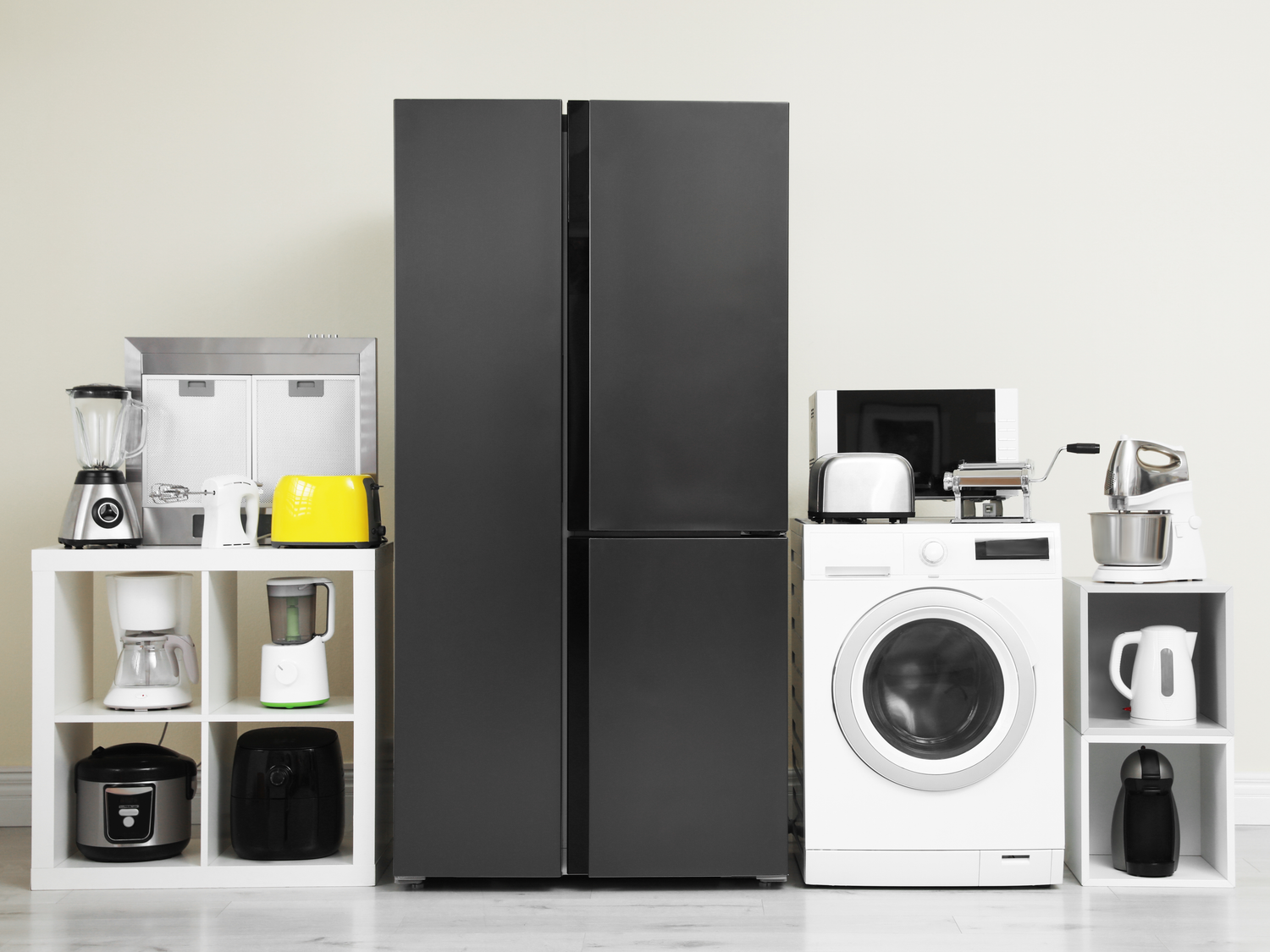
Household appliances are an integral part of everyday life. Ovens, washing machines, refrigerators, dishwashers and coffee machines all make daily household chores much easier. However, their lifespan largely depends on how well they are maintained. Here are our 7 top tips for looking after your household appliances and keeping them in excellent condition for as long as possible.
Why is it essential to maintain your household appliances?
Before moving on to practical advice for each device, it is useful to understand why good maintenance is so important. Here are the three main reasons that should convince you to take care of your appliances daily.
Buying an appliance often represents a significant investment. By maintaining it in good condition, you avoid costly repairs or premature replacement. Regular maintenance also helps to preserve initial performance, without loss of efficiency.
Prolonging the lifespan of your devices, also reduces their environmental impact. Less electronic waste, less production, therefore fewer CO2 emissions. You contribute, on your scale, to a more responsible consumption.
A well-maintained device consumes less energy and operates optimally. For example, a clean fridge cools food better. A limescale-free washing machine washes clothes more effectively.
Extend the lifespan of your oven
The oven is one of the most frequently used appliances in the kitchen. Between slow-cooked dishes, quick cooking, and baked goods, it is put to a tough test. To maintain its efficiency, a few simple actions should be regularly adopted.
To maximize the lifespan of your oven, clean it after each use or at least once a week. Use a damp cloth soaked in a gentle product. Avoid scrapers that could damage the enamel.
Good to know : carbonised fat projections reduce the efficiency of the heater. They can damage the seals.
Use dishes tall enough to prevent splashes. Consider covering your preparations with baking paper or an appropriate lid.
Ensure that the oven's ventilation grills are clear. Poor air circulation can cause your oven to overheat.
Extend the lifespan of your washing machine
The washing machine is one of the most frequently used appliances in a household. It often runs several times a week, sometimes daily, which puts its components to the test. To optimise the lifespan of your washing machine, maintain it regularly. Cleaning not only helps prevent breakdowns but also ensures optimal washing efficiency with each cycle. Here are the best practices to adopt.
Use the correct amount of detergent.
An excess of laundry detergent clogs the pipes, the drum, and then reduces the rinsing efficiency. Always follow the dosing instructions provided by the manufacturer, especially if you are using a concentrated or eco-friendly detergent.
Our Tip: prefer liquid detergent if your water is hard, as it dissolves more easily and leaves fewer deposits.
Clean these various parts every month
The filter, located at the bottom of the machine, collects debris (hair, coins, lint). Clean it monthly to prevent blockages. The detergent drawer can also accumulate detergent residues: remove it and rinse it under hot water with an old toothbrush.
Good to know: a clogged filter can cause poor spinning, or even completely block a washing cycle.
After each wash, leave the door slightly open. This allows moisture to escape naturally. Also, remember to quickly wipe the seals with a dry cloth.
Run a programme at 90 °C with one litre of white vinegar once a month. This simple step removes detergent residues, limescale, and bad odours, while disinfecting the drum.
Extend the lifespan of your refrigerator
The refrigerator operates 24 hours a day, 7 days a week. It is one of the most energy-intensive appliances in the home, but also one of the most essential. Improper use or lack of maintenance can lead to increased electricity consumption, premature wear of the motor, or even the proliferation of bacteria. To preserve the lifespan of your refrigerator and ensure optimal preservation of food, a few simple actions should be taken daily.
Defrost regularly to avoid overconsumption
Thick frost acts as an insulator, which forces the compressor to work harder to maintain the desired temperature. Result: higher electricity consumption combined with faster engine wear. Defrost your appliance as soon as the layer exceeds 3 mm.
Clean the joints and the back of the device
The rubber seals must be supple and clean to ensure an airtight closure. A dirty or deformed seal allows warm air to enter, which disrupts the cooling process. Clean them with lukewarm soapy water, then dry them thoroughly. Also, dust the condenser grille located at the back every three months to prevent overheating.
Arrange the interior optimally for good air circulation
Avoid overloading your refrigerator. Leave some space between the foods. This helps the circulation of cold air, reduces hot spots, and allows the compressor to work more efficiently. Store the products according to the cold zones: cooked foods at the top, dairy products in the middle, raw meats at the bottom, and beverages in the door.
Dishwasher Lifespan: The Errors to Avoid
The dishwasher saves you valuable time every day, but it also requires attention to function effectively over time. Between food residues, limescale, and intensive cycles, it can quickly become clogged or damaged if certain actions are neglected. Here are the common mistakes to avoid in order to extend the lifespan of your dishwasher.
Avoid dishwashing overloads
Filling your dishwasher to the brim may seem convenient, but it prevents the spray arms from distributing water properly. As a result: poorly cleaned dishes, a machine that wears out faster. Make sure to leave enough space between the plates, avoid blocking the arms, and orient the bowls downwards. Place the cutlery alternately by type and vary their orientation for effective cleaning.
Clean the spray arms, filter, and seals.
The spray arms can get blocked with food particles or limescale. Regularly dismantle them to check that no holes are obstructed. The filter, located at the bottom of the tub, traps debris. Rinse it under hot water once a week. Finally, wipe the seals with a damp cloth to prevent grease buildup.
Run a blank cycle with white vinegar once a month.
This simple gesture allows you to sanitize the entire washing circuit. It eliminates limescale, grease, and residues that accumulate in invisible areas. Your appliance stays cleaner for longer.
Good To Know: use regenerating salt if your water is hard, as it protects the descaling system and improves washing performance.
Wine Cellar: preserve your bottles like the appliance in the long term
The wine cellar is designed to provide optimal storage conditions for your bottles, but it is also a electrical appliance that requires special maintenance. Poor temperature regulation, excessive humidity, or obstructed ventilation can not only damage the wines but also shorten the lifespan of the appliance. To prevent this, here are the essential habits to adopt.
Check the temperature and humidity levels
The proper functioning of a wine cellar relies on the stability of its temperature (ideally between 10 and 14 °C) and its humidity level (about 65 to 75%). Air that is too dry dries out the corks, while air that is too humid promotes mould growth. Regularly check these parameters using a thermometer-hygrometer.
Good to Know : poorly regulated cellars can accelerate wine oxidation and harm their tasting quality.
Clean the shelves and check the ventilation.
Remove the bottles every three to six months to dust the shelves and clean the inside of the appliance with a soft cloth and soapy water. Never use harsh products such as bleach or strong solvents. Also, check that the air vents and activated charcoal filters are clean and functional, to avoid the risk of overheating.
Install the wine cellar in a suitable place, sheltered from the sun
Place the wine cellar in a , free from sudden temperature fluctuations. Avoid rooms exposed to the sun or uninsulated areas such as garages or verandas. The appliance should also be installed on a , away from sources of vibration.
By taking care of your wine cellar, you not only protect your precious bottles, but you also ensure a reliable and durable operation of your equipment.
Coffee Machine: essential maintenance for always perfect coffee
Whether automatic, pod-based or filter, the coffee machine has become essential for many households. Used daily, it is exposed to humidity, limescale, and coffee residues. Without regular maintenance tailored to the type of machine, the taste of the coffee can deteriorate, breakdowns may increase, and the lifespan of the machine can suffer. Here's how to look after it effectively.
Empty the draining tray and clean the infusion group.
The drip tray and infusion group are breeding grounds for bacteria and coffee residue. Clean them at least once a week with warm soapy water. Dry them thoroughly before putting them back in place. This prevents mould formation and preserves the coffee's aroma.
Regularly descale according to the water hardness
frequency of descaling. Use a specific solution or diluted white vinegar to remove limescale deposits.
Use filtered water to minimise deposits
Filtered water contains fewer minerals responsible for limescale deposits. It protects the machine, enhances the taste of coffee. It also reduces the frequency of descaling. An investment in a filter jug can quickly prove to be cost-effective.
How to properly descale a kettle?
The kettle is a practical device for everyday use, but limescale can quickly build up, especially if your water is hard. This buildup not only affects its proper functioning, but also extends the heating time. To preserve the lifespan of your kettle and ensure always clean water, regular descaling is essential.
Use white vinegar or citric acid.
Fill the kettle with a mixture of equal parts water and white vinegar. Boil it, then leave to rest for 30 minutes. Empty and rinse. You can also use a tablespoon of citric acid dissolved in a litre of hot water.
Rinse thoroughly to avoid residual taste
After descaling, thoroughly rinse your device. Boil two times with clear water, then empty it to remove any remaining vinegar or citric acid residue. This helps to preserve the neutral taste of your drinks.
Perform a descaling every 4 to 6 weeks depending on usage frequency.
If you use your kettle several times a day, a monthly maintenance is recommended. For more occasional use, every two months is sufficient. Adjusting the descaling frequency according to the hardness of your water significantly prolongs the lifespan of the kettle.