

How to fix a headboard to the wall
A headboard is much more than a simple decorative accessory. It structures the bedroom space, brings comfort, and reflects your personal style. However, fixing a headboard to the wall can sometimes prove complex. Can it be done without damaging the walls? What is the most durable method? How can you ensure the result is both secure and aesthetic? If you are searching for a solution that is as practical as it is elegant, follow our detailed guide for a successful installation.
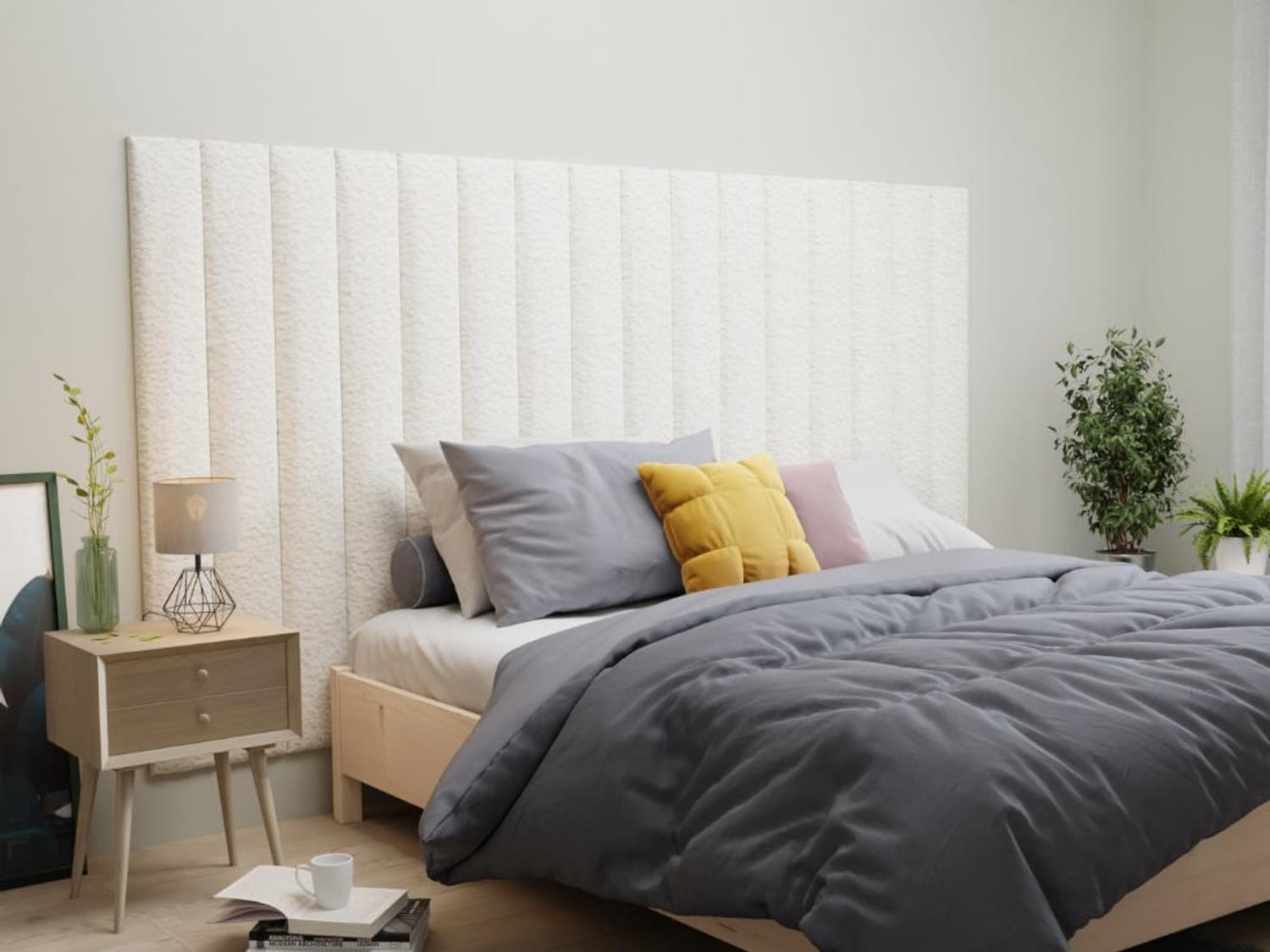
Why fix a headboard to the wall?
Fixing a headboard to the wall is not just an aesthetic choice. This solution offers numerous practical benefits.
Stability and safety are the primary advantages. Wall mounting is highly recommended for heavy models, such as those made of solid wood, as it prevents accidental shifting and guarantees long-lasting stability. In terms of aesthetics, a wall-fixed headboard provides a cleaner, sleeker, and more structured look, highlighting the bed while harmonising the entire room. It also allows for better space optimisation; by fixing the headboard directly to the wall, you free up valuable floor space, making it ideal for small bedrooms.
How to choose the ideal height?
The height of your headboard influences both the comfort and aesthetics of the room. A well-proportioned model ensures visual harmony while adapting seamlessly to your space and practical needs. Here are the main criteria to consider when choosing the ideal height.
Respecting the proportions of the bed
The height of the headboard must match the bed's size to achieve a balanced look. As a general rule, it should extend past the top of the mattress by at least 30 to 60 cm to remain visible and offer proper support. However, these measurements can vary depending on the width of the bed:
- Single bed (90 cm wide): Headboard height between 90 and 110 cm.
- Standard double bed (140 cm wide): Recommended height ranging from 100 to 120 cm.
- Queen-size bed (160 cm wide): Ideal height between 110 and 130 cm.
- King-size bed (180 cm wide or more): Privilege a height of 120 to 150 cm for a majestic effect.
Ensuring good visibility above the pillows
To prevent the headboard from completely disappearing behind voluminous pillows, it is advisable for it to extend at least 20 to 30 cm above your cushions. If you use standard pillows (around 50 cm high when propped up vertically), a headboard height of at least 100 cm is recommended.
Adapting the height to the room's layout
The size of the room and the ceiling height also influence your choice. In a bedroom with low ceilings (under 2.50 m), privilege a lower headboard (ranging from 80 to 100 cm) to avoid overwhelming the space. In a spacious room with high ceilings (over 2.70 m), a more imposing headboard (up to 150 cm or more) creates an elegant, structuring focal point. In an attic bedroom with sloped ceilings, adapt the height to the roofline, ensuring you leave at least 30 cm of clear space between the top of the headboard and the ceiling.
Classic mounting with drilling
For maximum, permanent durability, drilling into the wall is the most common and reliable method:
- Preparation and measurement: Position the headboard against the wall. Use a spirit level to ensure it is perfectly straight and mark the drilling points with precision.
- Select the right fixings: Choose wall plugs appropriate for your specific wall type (concrete, brick, or plasterboard) and privilege longer screws for solid wood models.
- Drill the holes: Use a drill with the correct drill bit size. Work slowly and steadily to avoid damaging the surrounding wall surface.
- Mount the brackets: Insert the wall plugs into the holes, position the mounting brackets, and screw them firmly into place.
- Hang the headboard: Finish by lifting the headboard onto the brackets and checking its overall stability.
For a warm and timeless style, discover our beautiful selection of wooden headboards.
Drilling-free headboard mounting: smart alternatives
If you are renting your home or simply want to avoid drilling holes into your walls, several smart solutions allow you to mount a headboard securely and beautifully without damaging the surface.
- Heavy-duty adhesive strips: High-resistance double-sided adhesive strips, similar to those used for mounting mirrors or heavy picture frames, are an effective option for holding lightweight headboards in place. Before applying them, it is essential to clean and dry the wall surface thoroughly to optimise adhesion. For a long-lasting hold, privilege strips that can support at least 5 to 7 kg per fixing point. This solution is particularly suited to headboards made of foam, fabric, or lightweight wood.
- Non-slip pads for reinforced stability: If your headboard rests directly on the floor and stands flush against the wall, placing non-slip pads between the two surfaces prevents shifting. These silicone or rubber pads create effective traction without leaving any marks on your wall. This method is ideal for solid wood or metal headboards, which carry enough natural weight to stay in place without wall anchors.
- Floor-to-ceiling tension mounts: Tension-based mounting systems are an excellent alternative for stabilising a headboard without drilling. Inspired by the telescopic tension rods used in wardrobes, these vertical posts exert pressure between the floor and the ceiling to hold the structure firmly in place. This type of mounting is especially suited to oversized headboards or those spanning the full width of the wall. It even allows you to add integrated shelves or hanging storage for a modular, aesthetic look.
- Anchoring directly to the bed base: Many headboard models are specifically designed to bolt straight onto the bed frame. Generally, metal brackets or heavy-duty hook-and-loop fasteners secure them firmly without relying on the wall at all. This solution is ideal for divan or upholstered bed bases because it guarantees a stable setup while making it incredibly easy to move the bed around whenever necessary.
- Bonus tip: To reinforce the connection between the headboard and the bed base, you can add adjustable straps or clip-on fasteners to prevent it from loosening or wobbling over time.
Tips for a discreet and aesthetic installation
Mounting a headboard without drilling does not mean compromising on your bedroom's style. A few clever tricks allow you to achieve an elegant finish while keeping all mounting hardware hidden from view.
Invisible brackets for a "floating" effect
For a sleek, modern look, opt for slim cables, low-profile wall mounts, or magnetic interlocking systems that make the headboard look as though it is floating on the wall without visible support. French cleat brackets attached behind the headboard also provide strong support while remaining completely invisible.
Camouflage mounting hardware with decor
If certain anchor points or brackets remain slightly visible, you can easily mask them with decorative accessories. Placing thick pillows, framed art, or decorative panels strategically is enough to draw attention away from the hardware. An XXL throw blanket draped elegantly over the top of the headboard can also hide brackets while adding a cosy, layered touch to the bed setup.
Harmonise the hardware with the wall or headboard
If certain brackets or screws are difficult to hide entirely, a simple trick consists of painting them the exact same colour as the wall or the headboard. This allows them to blend visually into the background and renders them nearly invisible. This technique works exceptionally well for exposed metal supports or screw heads.
Maintenance and safety: ensuring durability
To ensure the long-term safety of your installation, routine maintenance is essential. Perform a quick check of the fixings every six months and tighten any loose screws if necessary. When cleaning, always use products tailored to the headboard's material—for instance, privilege natural oils for wood surfaces. If you opted for drilling-free adhesive or tension systems, check their grip and alignment regularly. Finally, to protect your walls from friction or scratches, apply felt pads to the back of the headboard frame.
Conclusion: a beautifully secured headboard for an assertive style
Fixing a headboard to the wall is much more than a simple technical task: it is the perfect opportunity to enhance both the style and comfort of your bedroom. Whether you choose a traditional drilled method or a smart drilling-free alternative, the key is to ensure stability, safety, and visual harmony.
Explore our exclusive collection of headboards and wooden headboards to find the perfect model that will elevate your sleeping space. With the right advice, every installation becomes an opportunity to stylise or personalise your bedroom, ensuring your headboard remains the beautiful heart of your interior decor for years to come.
