
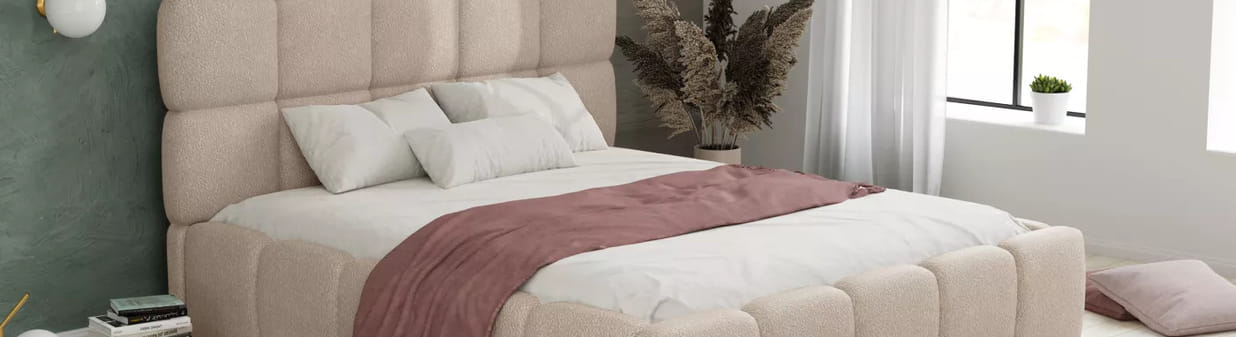
Properly orienting your bed for a good night's sleep
Have you ever struggled to fall asleep for no apparent reason? Or perhaps you wake up feeling tired despite getting a full night's sleep? What many people do not know is that the orientation of the bed can significantly influence sleep quality. Indeed, according to certain beliefs and principles like Feng Shui, the arrangement of your bed in the bedroom plays a key role in your daily well-being and energy levels.
But how should you orient your bed to get the most out of it? Should you sleep with your head to the north for deep sleep, or to the south for more dynamism? Where should you position your bed to guarantee optimal rest? In this article, we break down the essential rules for placing your bed intelligently and enjoying truly restorative nights.
Why is bed orientation important?
The choice of where to position a bed in a bedroom should not be left to chance. It influences several essential aspects of daily life, well beyond simple physical comfort.
- Sleep quality: A good orientation can promote faster falling asleep as well as deeper sleep, reducing nighttime awakenings and morning fatigue. Conversely, a poor layout can disrupt the sleep cycle or cause insomnia.
- Physical and mental well-being: Sleep plays a crucial role in the recovery of both the body and the mind. A suitable orientation can help limit stress, improve concentration, and strengthen the immune system.
- Energy circulation in the room: According to Feng Shui, the placement of the bed influences the flow of vital energy (the "Chi") in the bedroom. A bad orientation can create an imbalance, leading to a feeling of discomfort or a sensation of oppression.
In addition, factors such as exposure to natural light, distance from noise sources, and the layout of the furniture around the bed can accentuate the effect of a good or bad orientation. This is why it is essential to adopt a thoughtful approach to guarantee an optimal rest space.
Feng Shui: The ideal bed orientation
Feng Shui, an ancient Chinese art, is based on the idea that the arrangement of space influences vital energy and, by extension, our well-being. The orientation of the bed is a central element in this practice, as it directly impacts the quality of sleep as well as the harmony of body and mind. According to this philosophy, a poor bed layout can lead to sleep disorders, persistent fatigue, or increased stress. Conversely, a suitable orientation promotes energy balance and deep rest.
So, how should you orient your bed according to Feng Shui principles? Here are the most common directions and their supposed effects:
- Sleeping with your head to the North: This orientation is frequently recommended for people seeking deep and restorative sleep. According to tradition, it aligns the body with the Earth's magnetic field, promoting stable rest and a gentle awakening. It is particularly suited to people prone to stress or anxiety, as it brings a sense of calm and security.
- Sleeping with your head to the South: Unlike the northern orientation, this one is considered more dynamic and energising. It is ideal for individuals who need an energy boost and creativity in their daily life. However, it might not suit those who already have restless sleep, as it stimulates brain activity more intensely.
- Sleeping with your head to the East: This position is often associated with a sharper, more alert awakening and better concentration. It is particularly well-suited to active individuals, students, or anyone looking to improve their productivity. According to Feng Shui, it stimulates personal growth and fosters a positive attitude towards daily challenges.
- Sleeping with your head to the West: Recommended for those seeking relaxation and stability, this orientation promotes peaceful and restful sleep. However, certain beliefs suggest that it can also lead to a degree of laziness or a lack of motivation over the long term.
The ideal orientation therefore depends on your lifestyle and individual needs. In addition to Feng Shui, it is also essential to consider the overall layout of the bedroom, light levels, and proper ventilation to maximise comfort and sleep quality.
Where should you place your bed in a bedroom?
The positioning of the bed does not come down entirely to its compass orientation. Its physical location in the room also influences sleep quality and general well-being. A good layout creates an environment that is as soothing as it is functional, while poor placement can generate feelings of discomfort or persistent fatigue.
Here are the essential principles to follow when choosing the right spot for your bed:
- Avoid placing the bed under a window: Even if it might look aesthetically pleasing, positioning a bed beneath a window can cause several issues. First, it exposes you directly to outdoor noise and drafts, which can disrupt your sleep. Second, according to Feng Shui, sleeping under an opening weakens vital energy and creates a feeling of insecurity. If your only option is to place the bed under a window, remember to use blackout curtains and ensure the room is well insulated to minimise these effects.
- Place the headboard against a solid wall: This arrangement brings a feeling of stability and protection, promoting restful sleep. A solid wall also helps reduce visual distractions and isolates ambient noise. Avoid positioning the headboard against a wall shared with a bathroom or kitchen, as plumbing noises and running water could disrupt your rest.
- Keep the bed away from the door: Ideally, the bed should not be directly aligned with the bedroom door. This layout, often called the "coffin position" in Feng Shui, is associated with energy loss and restless sleep. It is preferable to position the bed in a way that allows you to see the door without being directly in its path, giving you a comforting sense of control over the space.
- Privilege clear space around the bed: It is important to leave enough space on each side of the bed, especially for two-person models. This makes moving around easier and prevents a feeling of confinement. If you are looking for a spacious bed that fits perfectly into your room while respecting these principles, explore our selection of double beds.
- Avoid imposing furniture directly above the bed: Wall shelves or wall-mounted cupboards hung directly over the bed can create a heavy feeling of oppression and, over the long term, affect sleep quality. Keep the space above your head clear for a more peaceful atmosphere.
The benefits of minimalism in the bedroom
A sleek, clutter-free environment promotes a feeling of calm and serenity, which is essential for restorative sleep. A cluttered bedroom can generate stress and restlessness, whereas a well-organised space invites rest and relaxation.
Adopting a minimalist style does not mean depriving yourself of comfort, but rather focusing on the essentials. Start by eliminating superfluous objects that gather dust or disrupt the room's visual harmony. Functional furniture with clean lines and soothing colours helps create an atmosphere conducive to relaxation.
The layout of the furniture also plays a key role: a centrally positioned bed with sufficient space around it facilitates movement and provides a sense of openness. Integrated storage solutions, such as drawers under the bed or sleek wall shelves, allow you to optimise space without overloading the room.
Finally, privilege natural materials and soft textiles to reinforce the feeling of well-being. Light curtains, organic cotton bedding, or touches of light wood accentuate the warm and soothing nature of the bedroom. By reducing visual distractions and creating an orderly space, minimalism contributes directly to an environment of rest and serenity.
Do not neglect your bed's orientation!
The orientation and placement of the bed should never be neglected when designing a bedroom. A suitable layout can improve sleep quality, enhance well-being, and create a more peaceful environment. By taking into account principles like Feng Shui, exposure to natural light, and distance from noise sources, it is entirely possible to optimise your rest space and enjoy more restorative sleep.
