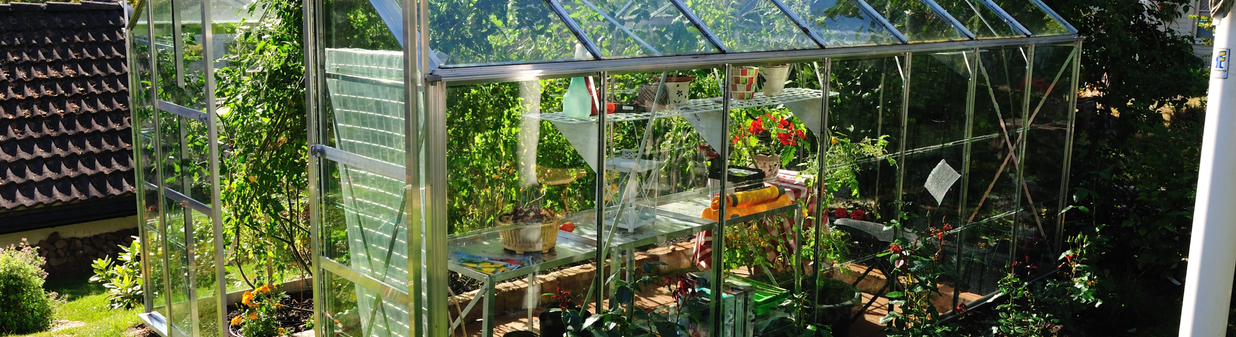
What to plant in a garden greenhouse month by month: our guide
Owning a garden greenhouse means being able to garden even when the weather turns sour. No more crops ruined by a late frost or a capricious downpour. While winter makes the rest of the vegetable patch shiver outside, inside your greenhouse things are growing, sprouting, and turning green! However, before you picture yourself harvesting tomatoes in January (sorry to burst your bubble), you still need to know what to plant and, above all, when.
Yes, a greenhouse is an incredible asset, provided you master it. Too much humidity? Hello, unwanted fungi. Poor heat management? Your lettuces risk cooking right where they stand. And if you sow your courgettes in the middle of February, don't be surprised if they throw a tantrum and refuse to grow.
But have no fear! We are going to guide you month by month so that your greenhouse becomes a true little paradise of greenery all year round. Whether you are highly organised with a precise schedule or more of the "let's see what pops up" type, this guide will give you all the keys to optimise your plantations, avoid mistakes, and harvest a maximum amount of vegetables, whatever the season. 🌿
So, are you ready to turn your greenhouse into an ultra-efficient growing space? Follow our guide and let's discover what your future crops will be!
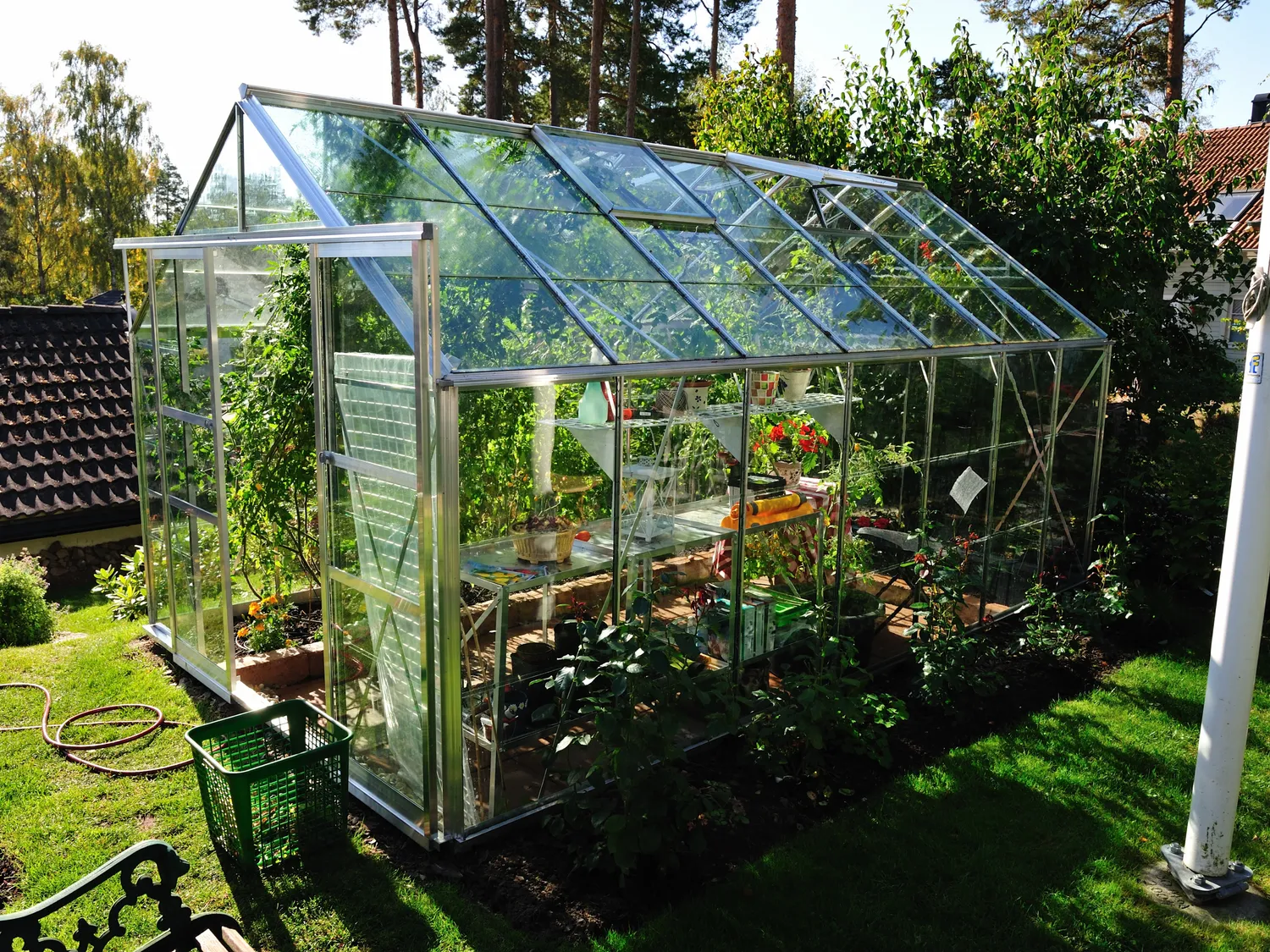
The advantages of a greenhouse for year-round planting
If you think a greenhouse is only useful for protecting your vegetables in summer, think again! This botanical shelter is a true ally for cultivating all year round, despite the whims of the weather. Here is why it makes all the difference:
🌱 Extending the harvest season
The main benefit of a greenhouse is that it allows you to play with the seasons. Thanks to the protection it offers, you can advance your sowing in spring and extend your harvests into autumn and even winter. While outdoor vegetable patches begin their hibernation, your greenhouse continues to produce beautiful lettuces, crunchy radishes, and hearty leeks.
🌦️ Protecting crops from bad weather and pests
Wind, hail, torrential rains… these are the sworn enemies of gardeners. Under a greenhouse, say goodbye to tomato plants knocked over after a storm or seedlings drowned under a downpour. Better yet, it also limits access to pests like slugs or hungry insects. Watch out, though: a greenhouse is not an impenetrable fortress, and without proper ventilation, certain pests (aphids, spider mites) can proliferate inside.
🍓 Cultivating out-of-season fruits and vegetables
Do you dream of tasting strawberries earlier than expected? Of having peppers and aubergines well before summer? A greenhouse allows you to create an ideal microclimate to grow varieties that, outdoors, would need a much warmer climate. With good organisation and a few tricks, you can widely expand the palette of crops available in our latitudes.
🌿 Fostering germination and the growth of young plants
Sowing seedlings is a crucial step in gardening. Too much cold, too much moisture, a sudden frost, and… goodbye future harvests. Under a greenhouse, your young plants benefit from milder conditions and optimal protection to develop peacefully before being transplanted into open ground. It is an excellent way to start your planting earlier in the spring without depending on climatic hazards.
What to plant under a greenhouse month by month?
To get the most out of this protected space, it is essential to choose the right crops at the right time. Here is your month-by-month schedule to know what to plant under a greenhouse and ensure harvests all year round.
🌱 January - February: Preparation and winter sowing
Winter is well and truly here, and while the outdoor garden seems on pause, your greenhouse can keep producing. At this time of year, light levels are low and temperatures remain cold, but certain hardy crops can still be sown and grown under shelter. It is also the ideal time to prepare for the upcoming season!
Winter sowing under the greenhouse
Crop | Variety / Type | Remarks |
Leafy greens | Spinach, Lamb's lettuce, Winter lettuces (e.g., 'Winter Marvel'), Wild chicory | These vegetables handle the cold well and germinate quickly under a greenhouse. |
Root vegetables | Carrots, Radishes, Early turnips | These root vegetables are perfect for winter cultivation. |
Hardy brassicas | Kale, Spring cauliflower | Cold-resistant, they develop nicely under shelter. |
Winter planting under the greenhouse
Crop | Variety / Type | Remarks |
Hardy herbs | Parsley, Chives, Thym | These herbs easily acclimate to winter conditions. |
Bulbs and tubers | Pink garlic, Grey shallots | Plant in January for great harvests in the spring. |
Potatoes | Early potatoes | Plant under a heated greenhouse only for an ultra-early harvest. |
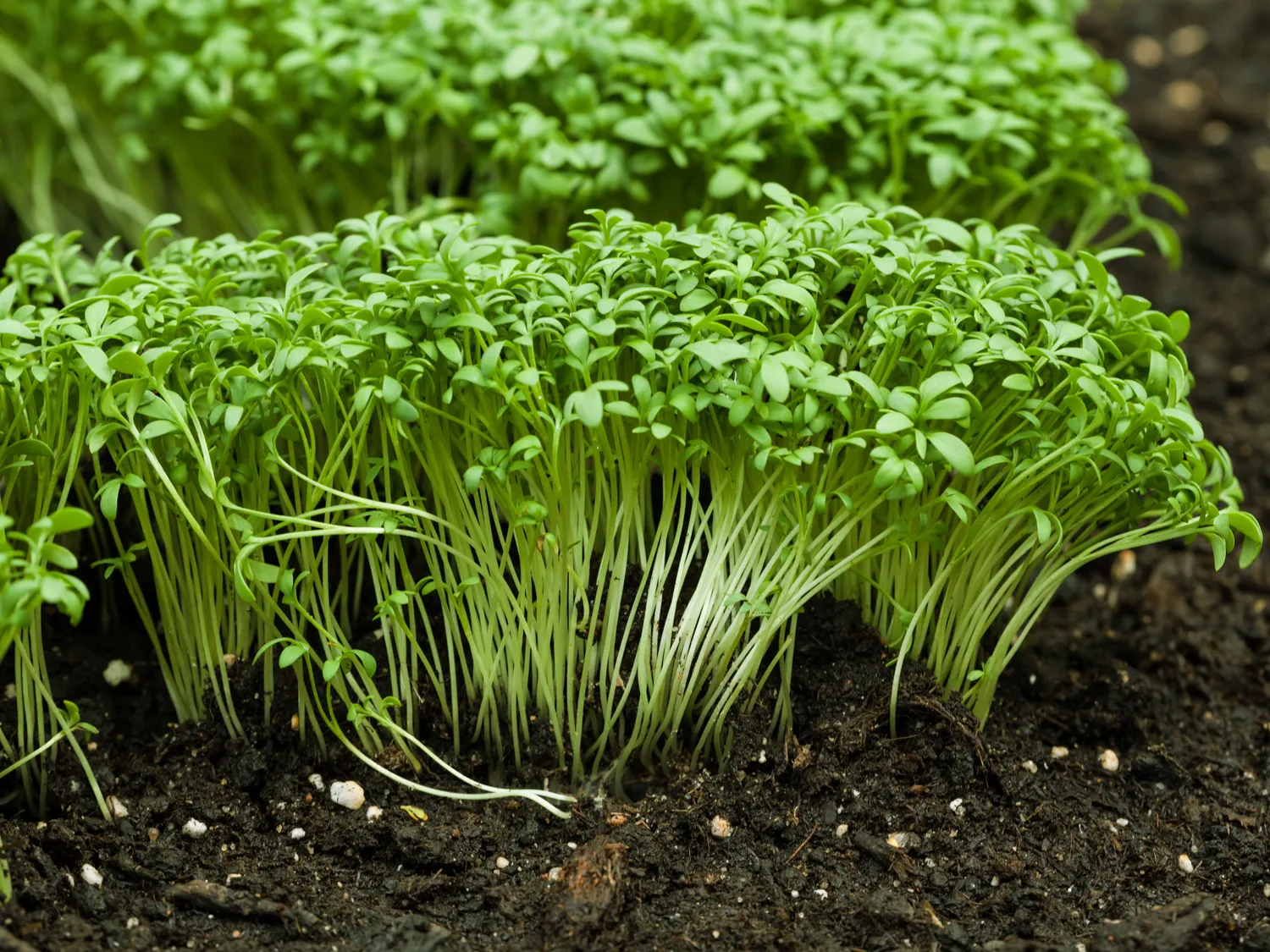
Maintaining the greenhouse in winter: a key step!
January and February are not just growing months; they are also months of preparation for the beautiful season ahead. Take advantage of this quieter period to maintain and optimise your greenhouse.
- Regular ventilation: Even in winter, you must ventilate the greenhouse on mild days to avoid excess humidity, which fosters diseases like powdery mildew and damping-off.
- Cleaning glass and covers: Less light in winter means less growth. Clean the greenhouse walls to maximise sunlight penetration.
- Soil amendment: Add well-rotted compost or decomposed manure to enrich the earth before the heavy spring planting.
- Pest control: Aphids, slugs, and rodents seek refuge in the warmth of the greenhouse. Check your plants regularly and set up protections if needed.
🌿 March - April: The awakening of the vegetable patch
Spring is beginning to show its face, and inside the greenhouse, the awakening of the vegetable patch is already well underway. This is the ideal time to sow and plant numerous vegetables while preparing your greenhouse for an active growing season. Here is what you can do during these months.
Spring sowing under the greenhouse
Crop | Variety / Type | Remarks |
Root vegetables | Radishes | These vegetables appreciate the mild temperatures under the greenhouse to develop well. |
Leafy greens | Varied salads (Batavia, Lettuce, Rocket), Spinach, Leek, Celery | Perfect for early sowing before the high summer heat arrives. |
Fruiting vegetables | Tomatoes, Peppers, Aubergines, Cucumbers, Melons | This allows you to start cultivation early and protect them from late frosts. |
Spring planting under the greenhouse
Crop | Variety / Type | Remarks |
Strawberries | Everbearing or spring strawberries | Plant them under glass for a much earlier harvest. |
Potatoes | Early potatoes | Ideal for starting cultivation in a protected or lightly heated greenhouse. |
Herbs | Parsley, Chives, Thyme, Coriander | Perfect for early sowing in a well-ventilated greenhouse. |
Spring brassicas | Brussels sprouts, Cabbage, Cauliflower | These varieties can be sown from March onwards for spring harvests. |
Onions | Spring onions (seeds or sets) | Onions profit from the gentle warmth to kickstart their growth. |
Spring greenhouse maintenance routine
Task | Description | Remarks |
Regular ventilation | Air out the greenhouse every single day to avoid excess moisture and disease. | Essential for maintaining proper air circulation. |
Soil preparation | Clear away debris and loosen the soil before sowing. | Perfect for starting new crops without any hindrances. |
Mulching | Put mulch in place to protect roots and retain moisture. | Ideal after the first sowings to prevent evaporation. |
Pest control | Install slug traps or anti-insect netting. | As the greenhouse warms up, it can attract certain ravenous pests. |
March and April are the months when everything comes back to life inside your greenhouse. It is the perfect period to launch your vegetable and plant seeds, fostering fast and vigorous growth. Take advantage of this spring awakening to prepare your greenhouse for the arrival of the hottest months of the year!
1. Summer Crops (May - August)
With the arrival of spring warmth and intensifying light, your greenhouse becomes the ideal playground for summer vegetables. It is time to step up a gear and cultivate varieties that are fond of heat.
Sowing and planting for the beautiful days (May - June)
Crop | Variety / Type | Remarks |
Leafy greens | Summer lettuces, Rocket, Lamb's lettuce, Kale | These vegetables appreciate the light but need careful management so they do not bolt. |
Aromatic herbs | Basil, Chives, Coriander, Tarragon | These herbs develop rapidly with increased heat and light. |
Fruiting vegetables | Tomatoes (cherry, vine), Cucumbers, Peppers, Aubergines, Melons | Plant them out in the greenhouse beds or large pots to maximise their exposure to warmth. Courgettes and long-stem cucumbers thrive and offer abundant harvests. |
Greenhouse planting for the beautiful days
Crop | Variety / Type | Remarks |
Tomatoes | Vine or cherry varieties (e.g., 'Cœur de bœuf', 'Tumbling Tom') | Plant in small pots or containers to maximise space and light. |
Peppers and Aubergines | Sweet peppers, Chillies, Aubergines | These vegetables appreciate the heat and constant conditions inside the greenhouse. |
Melons | Charentais melon, Winter melon | Perfect for an early crop in a warm greenhouse. |
Courgettes and Cucumbers | Courgettes, Long-stem cucumbers | These fast-growing vegetables thrive in the greenhouse and offer an abundant harvest. |
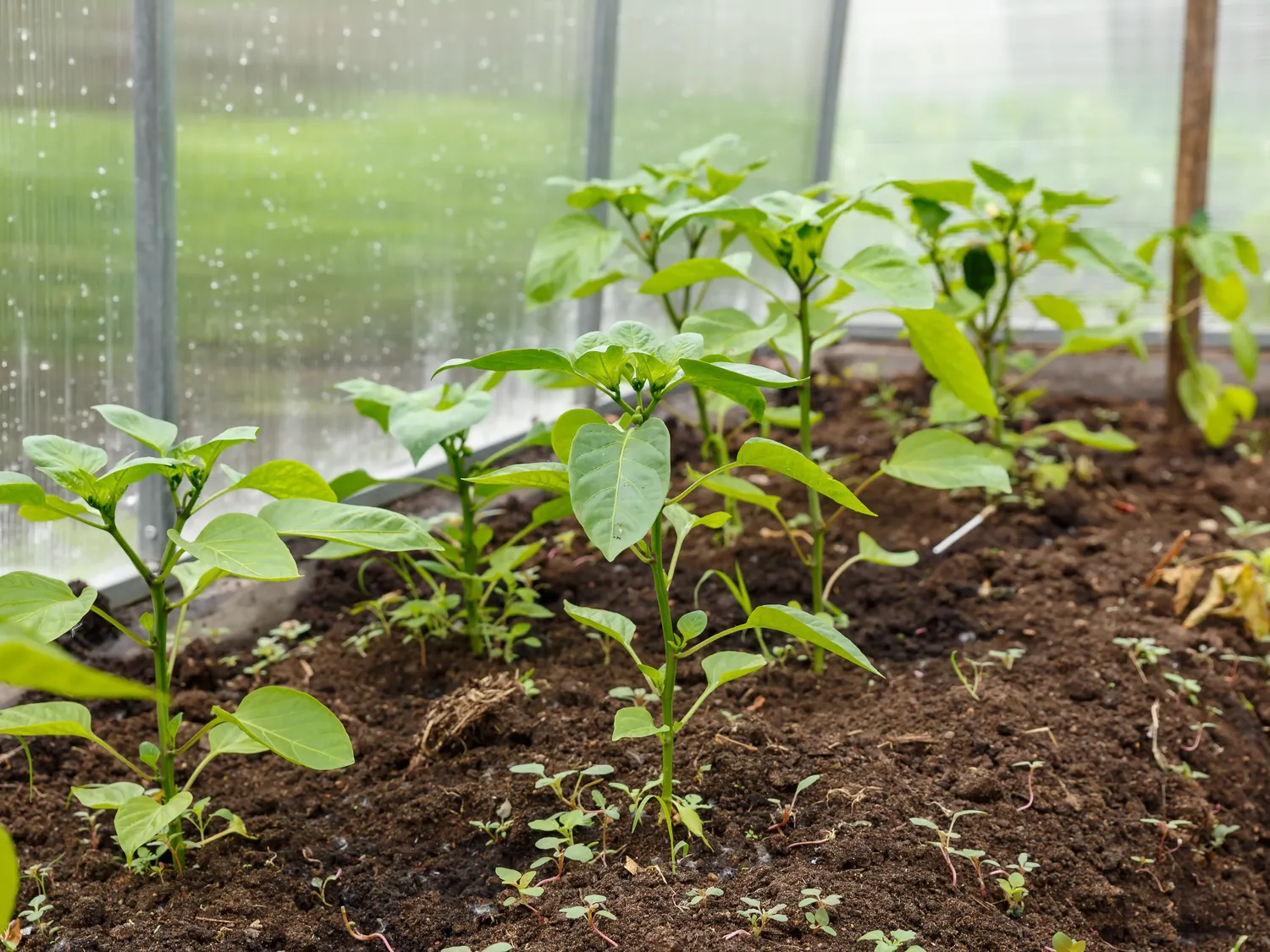
Greenhouse maintenance routine (May - June)
Task | Description | Remarks |
Heat management | Set up shading to prevent overheating during very hot days. | Use shading nets or cloths to protect sensitive crops. |
Watering | Water early in the morning or at the end of the day to limit evaporation and preserve moisture. | Prioritise regular, controlled watering so you don't drown the roots. |
Staking / Trellising | Install stakes for tomatoes, peppers, and other climbing vegetables. | Staking allows you to maximise space and keep plants in good shape. |
Weeding | Remove weeds to prevent competition for nutrients. | Weeding is important to prevent the appearance of diseases and keep your greenhouse clean. |
May and June mark a turning point in your greenhouse, with more demanding crops starting to take their place. By following these tips, you will be able to harvest tasty vegetables throughout the summer and enjoy a highly productive greenhouse.
🔥 Juillet - Août : Attention à la chaleur !
Summer is in full swing, and your greenhouse is a hive of activity! It is the perfect time to harvest summer vegetables at their peak, but you can also sow autumn salads, lamb's lettuce, rocket, and winter spinach.
Greenhouse sowing during high summer heat (July - August)
Crop | Variety / Type | Remarks |
Leafy greens | Autumn lettuces, Lamb's lettuce, Rocket, Watercress | Sow these fast-growing vegetables for an autumn harvest. |
Root vegetables | Carrots, Turnips, Beetroots | These vegetables can still be sown for an autumn/winter harvest. |
Spinach | Winter spinach | This spinach is sown now for a harvest in the cooler months. |
Greenhouse planting during high summer heat
Crop | Variety / Type | Remarks |
Tomatoes | Last plantings of cherry tomatoes or small varieties | These plantings are perfect for late summer and early autumn harvests. |
Aubergines | Late-season aubergines | Continue to harvest aubergines, and plant new ones if space permits. |
Peppers | Sweet peppers and chillies | Plant them for a late harvest. |
Cucumbers | Late-season cucumbers | Plant fast-growing varieties to harvest until the end of autumn. |
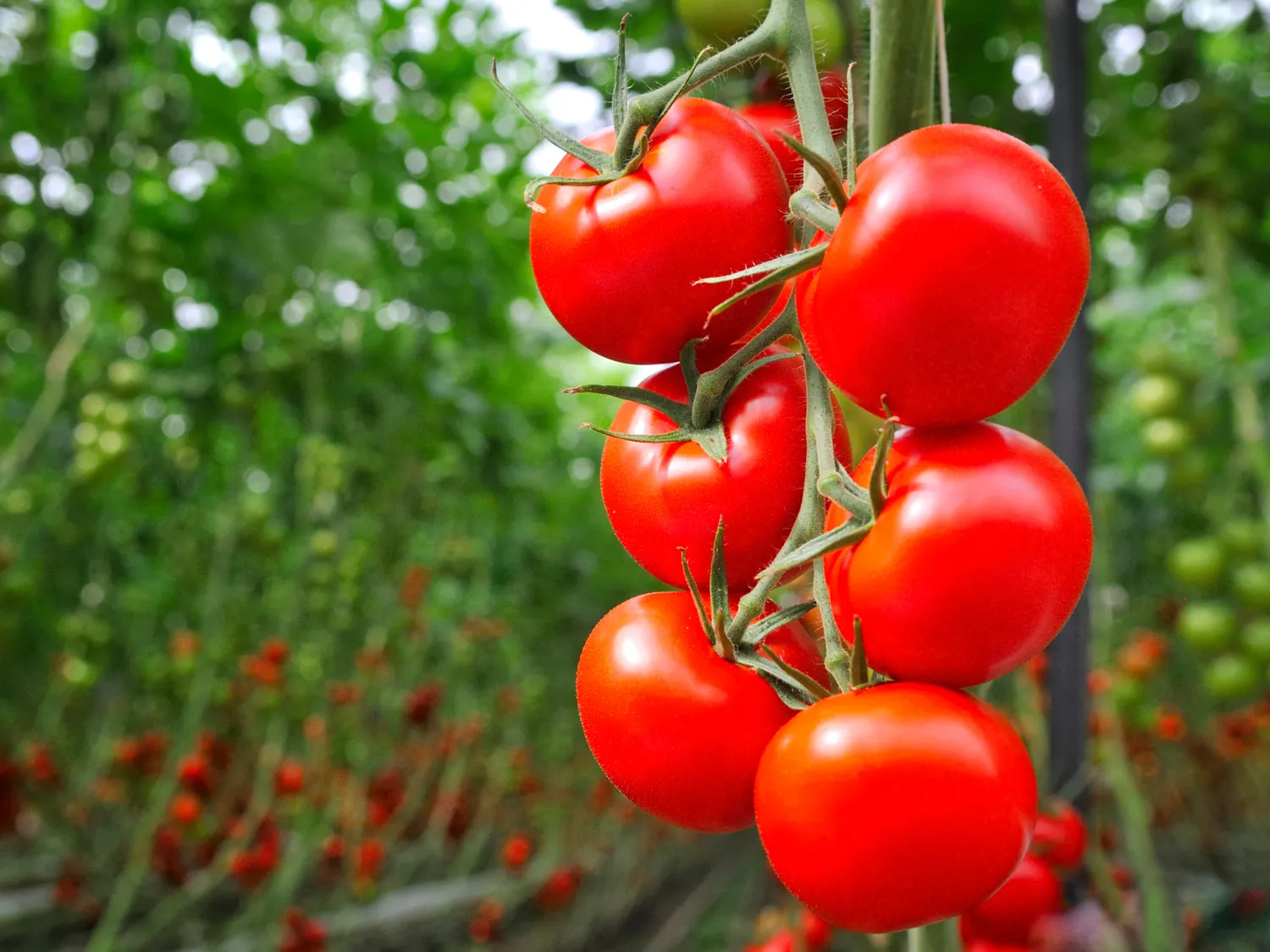
High summer greenhouse maintenance routine
Task | Description | Remarks |
Heat management | Put up shading to prevent overheating during scorching days. | Use shading nets or blinds to protect sensitive crops. |
Watering | Water early in the morning or late in the evening to limit evaporation. | Prioritise regular, controlled watering (like drip irrigation) so you don't drown the roots. |
Staking & Trellising | Install stakes or strings for tomatoes, peppers, and climbing vines. | Trellising allows you to maximise vertical space and keeps plants in good shape. |
Regular harvesting | Pick ripe vegetables frequently to stimulate ongoing production. | By harvesting regularly, you encourage your plants to keep producing fruit. |
Weeding & Clearing | Remove weeds and spent plant debris promptly. | Crucial for preventing the outbreak of diseases and keeping your greenhouse tidy. |
During July and August, the greenhouse reveals its full potential with abundant harvests. However, continuous upkeep and careful watering remain paramount to guarantee the success of your crops.
Autumn Crops (September - October)
As autumn rolls around, your greenhouse becomes an essential asset for transitioning towards winter harvests. It is time to harvest the very last summer vegetables and plant rustling, hardier crops.
Autumn greenhouse sowing (September - October)
Crop | Variety / Type | Remarks |
Leafy greens | Lamb's lettuce, Winter lettuce, Rocket | These crops can be sown now for an autumn harvest. |
Root vegetables | Carrots, Turnips, Beetroots, Leeks | Ideal for harvesting in late autumn or winter. |
Spinach and Kale | Winter spinach, Kale | Cold-resistant crops to be sown for the winter. |
Broad beans and Peas | Spring broad beans, Peas | These legumes can be sown for an early harvest in spring. |
Autumn greenhouse planting (September - October)
Crop | Variety / Type | Remarks |
Cauliflower and Cabbage | Brussels sprouts, Winter cauliflower | Plant these varieties for winter harvests. |
Garlic and Shallots | Garlic, Spring shallots | Plant now to harvest next spring. |
Strawberries | Strawberries for spring harvest | Plant under the greenhouse for an early harvest in spring. |
Greenhouse maintenance routine (September - October)
Task | Description | Remarks |
Ventilation | Air out regularly on dry days to avoid excessive humidity. | Important to prevent mould and maintain good air circulation. |
Soil preparation | Remove plant debris, weed, and prepare the soil for future plantings. | The soil must be well worked before starting to sow winter crops. |
Pest control | Install pest traps to protect late-season crops. | The greenhouse can become a refuge for certain pests during autumn. |
Cold protection | Start setting up frost protections (fleece jackets/covers, etc.). | This helps protect sensitive crops from the first frosts. |
September and October are transition months where it is essential to prepare the greenhouse for winter while enjoying the last summer harvests. These months are perfect for sowing cold-resistant crops and guaranteeing winter harvests. By following these steps, you will be ready for continuous harvests, even when temperatures drop!
November - December: Last harvests and overwintering
Winter is fast approaching, but your greenhouse remains a valuable asset for protecting cold-resistant crops and planning out future harvests. It is a period of dormancy for some crops, but also of preparation for the months ahead. Here is how to optimise your greenhouse during these winter months.
Winter greenhouse sowing (November - December)
Crop | Variety / Type | Remarks |
Leafy greens | Lamb's lettuce, Winter lettuce, Rocket | These cold-resistant vegetables can be sown for a winter harvest. |
Spinach and Kale | Winter spinach, Kale | Ideal for winter harvests. |
Leeks | Winter leeks | Plant now for a harvest next spring. |
Spring broad beans | Early broad beans | To be sown for an early harvest in spring. |
Winter greenhouse planting (November - December)
Crop | Variety / Type | Remarks |
Garlic and Shallots | Garlic, Spring shallots | Plant under the greenhouse for early harvests in spring. |
Onions | Spring onions | Plant them now for harvests the following year. |
Strawberries | Strawberries for spring harvest | Plant hardy varieties that will withstand the cold under the greenhouse. |
Greenhouse maintenance routine (November - December)
Task | Description | Remarks |
Protecting sensitive crops | Cover the most fragile plants with a frost fleece or cloches. | This helps preserve crops from freezing. |
Moderate watering | Reduce watering frequency, but maintain a correct moisture level in the greenhouse. | Too much water in winter can lead to fungal diseases. |
Temperature tracking | Keep an eye on internal temperatures, especially during cold nights. | If necessary, install an auxiliary heater. |
Preparing for spring sowing | Disinfect and air out the greenhouse, clean tools, and prepare substrates for early-year seed sowing. | Winter is the perfect time for a meticulous cleanup. |
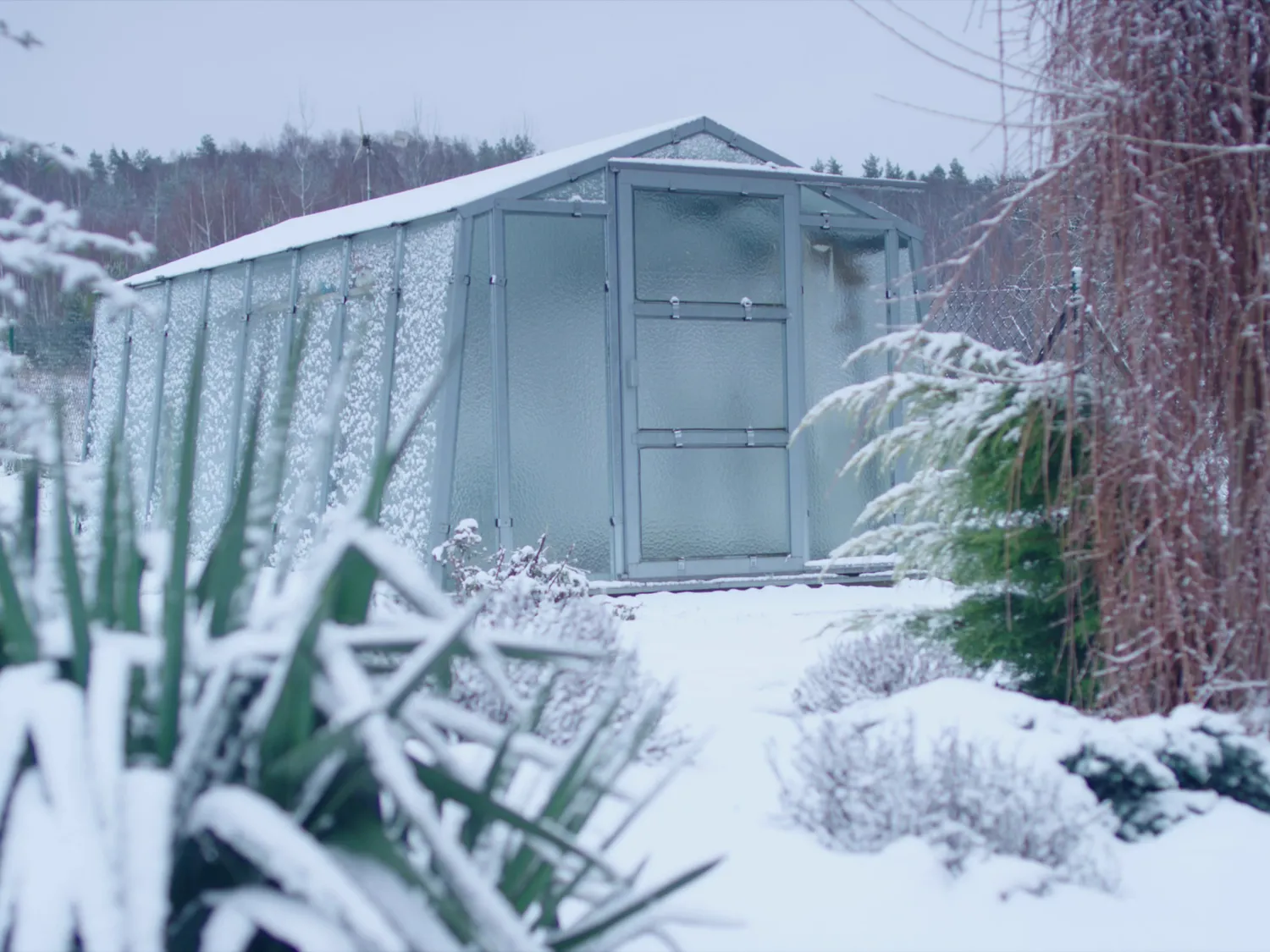
November and December mark the beginning of a rest period for certain crops, but it is also a key window to prepare for spring. Protect your winter crops, and keep monitoring the humidity and temperature under your greenhouse: this way, you will be fully ready for a flourishing growing season as soon as the bright, beautiful days return.
Here is the complete and accurate translation for the final advice sections and conclusion of your guide, perfectly formatted and ready for insertion:
Tips to maximise your greenhouse yield all year round
To ensure your greenhouse stays productive throughout the year, simply sowing and harvesting is not enough. You need to know how to maintain it and manage space and resources optimally. Here are a few tips to maximise your greenhouse yield, whatever the month.
🔄 Crop rotation to prevent soil exhaustion
Crop rotation is a simple yet powerful method to guarantee your soil's health and improve your greenhouse's productivity. Every crop has specific nutrient requirements. When you grow the same plant in the exact same spot year after year, the soil quickly becomes depleted, leading to nutritional deficiencies and the buildup of soil-borne diseases.