
Decorating When Renting: Tips and Tricks
When you're a tenant, apartment decoration must balance a major constraint: respecting the property while making it warm and personal. The goal is to create a true home without creating multiple holes in the walls, without permanently modifying the coverings, and without risking your deposit being deducted when you leave. Therefore, the aim is to prefer reversible solutions, easy to install and remove, which do not require major work or costly repairs at the time of the inventory check.
Good Practices Before Decorating
Before purchasing any cushion, take the time to analyse the rules set out in your lease. Some landlords accept a few patched-up holes, while others require intact walls. This review helps avoid unpleasant surprises and assists you in choosing the right systems, such as adhesive fixings or tension rods without drilling.
Then observe the strengths and weaknesses of your flat: beautiful light, high ceilings, but with old tiles or somewhat dull walls:
- Identify the strengths of the property (brightness, volumes, circulation) ;
- Spot the elements to mitigate or hide (dated tiling, damaged walls, insufficient storage) ;
- Note any technical constraints (badly placed sockets, lack of attachment points, linked rooms).
Define a global style that reflects you (sleek Scandinavian, warm bohemia, industrial, minimalist), then list the pieces to prioritise. The living room, bedroom, and entrance are often the spaces that benefit most quickly from a new apartment decor.
Finally, plan a specific budget for tenant-dedicated solutions:
- High-quality self-adhesive strips
- Adhesive tiles for the kitchen and bathroom
- A no-drill curtain rod
- Large rugs
Feel free to add some elements of wall decoration that will make all the difference.
Customise walls without drilling
Walls shape the atmosphere of a home. They are the ones that welcome colours, materials, and images that tell your story. Even without a drill, there are many clever tricks to transform them while preserving their original state.
Betting on self-adhesive tiling
Adhesive tiling has become a valuable ally for tenants wishing to modernise an outdated splashback or a worn bathroom wall. It is available as tiles or self-adhesive strips to be applied directly over clean, dry tiles, without additional glue. There are models that imitate cement tiles, zellige, marble or terrazzo, capable of instantly changing the style of a room.
- For a kitchen splashback, measure the surface precisely and add a small margin for cuts around sockets or the extractor hood. Mark a horizontal reference line to keep a straight line, then apply the adhesive tiles from bottom to top, pressing out air bubbles.
- In the bathroom, limit yourself to non-immersed areas, such as the strip above the sink or around the mirror, to ensure durability over time. When leaving the property, the tiles are generally removed by carefully peeling them off. If needed, a blast from a hairdryer softens the adhesive!
Hanging your frames without drilling holes
Apartment decoration often lacks warmth when the walls are bare. To hang a picture frame without drilling, turn to adhesive fixing systems designed to support various levels of load. Double-sided tapes, latch hooks, or repositionable pads range from small, lightweight frames to larger, more substantial pictures. Simply select the category appropriate for the weight of the item.
You can thus create a gallery of frames above the sofa, sideboard, or bed, or highlight a painting that will become the focal point of the living room.
The advantage? The fastenings are usually removed by gently pulling on a tab, without tearing the paint.
Utilise alternative wall-mounted solutions
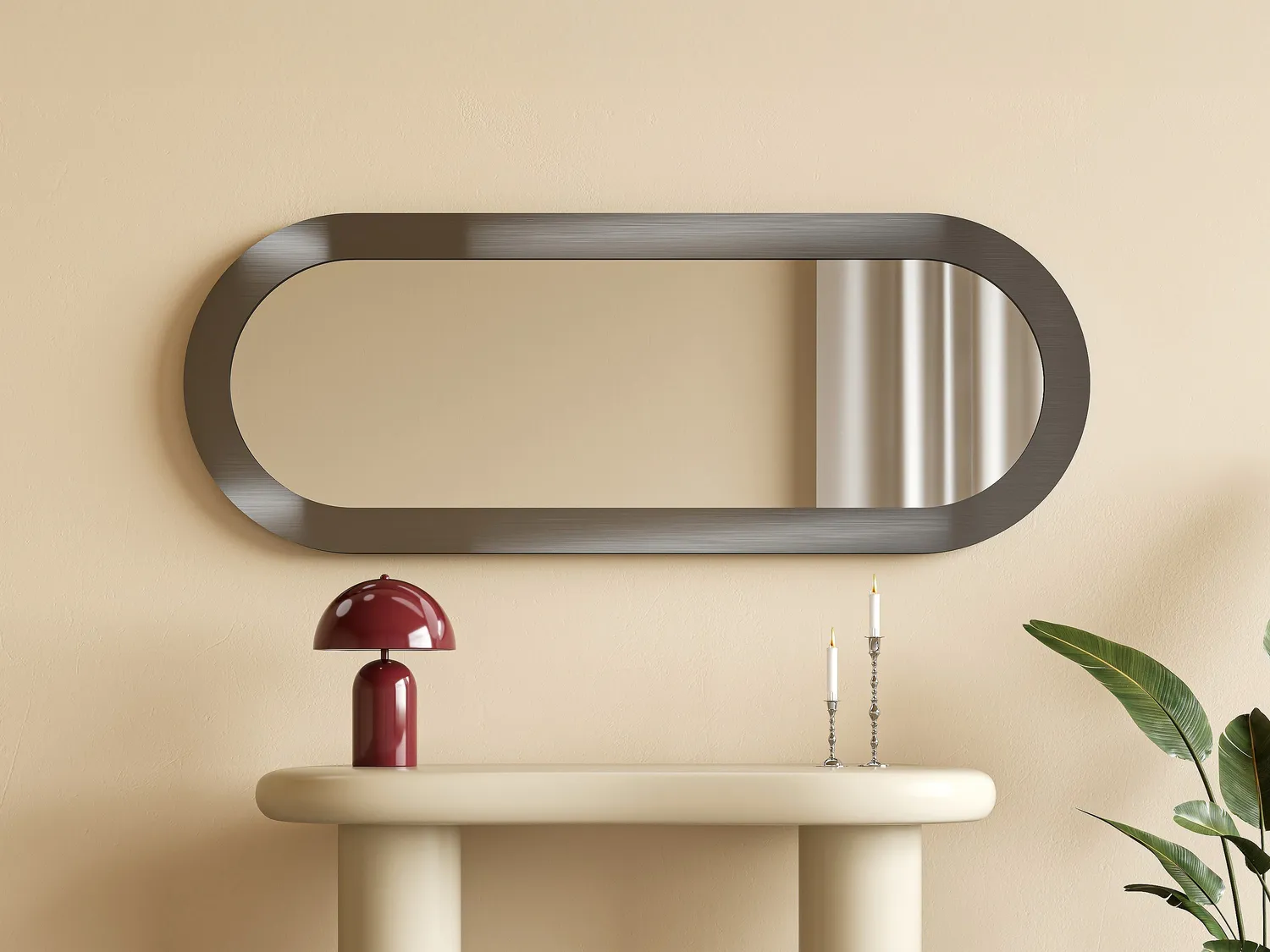
If your walls are already fragile, or if you prefer not to stick anything, use independent supports for a large low shelf, a vintage sideboard, or a contemporary chest of drawers. They can hold a collection of simply placed frames, mixed with a few candles, vases, or plants. This arrangement creates a true decorative scene without any wall fixing.
Stand Mirrors, Screen Dividers, or Decorative Panels Are Also Valuable Allies. They Are Easy to Move, Mask an Unattractive Corner or Visually Define the Sleeping Area in a Studio. By Playing with Height and Overlapping Layers, You Add Dimension to the Room While Keeping the Wall Surface Intact.
Dressing windows with a curtain rod without drilling
Curtain-dressed windows immediately transform the atmosphere. The room appears more cosy, the proportions are better balanced, the light is more controlled. For a tenant, the most suitable solution remains the non-drill curtain rail, which avoids touching the wall or the frame.
Choose the Right Curtain Pole without Drilling
There are mainly two types: tension rods and rods with adhesive supports. The first are wedged between two walls using a spring mechanism. They are ideal for small openings, recesses, or alcoves. The second consist of a standard bar combined with supports fixed with a reinforced adhesive, capable of supporting heavier curtains.
For a harmonious finish, choose a curtain rod that is slightly wider than the window, typically between 15 and 30 centimetres more, to clear the glazing when the curtains are open. Always check the maximum weight indication and adjust the fabric density accordingly: lightweight voiles for lower capacities, double blackout curtains for sturdier rods.
Hanging curtains without damaging the walls
The success of a no-drill curtain rod largely depends on the preparation of the surface. Degrease the window frame or the wall area with a slightly damp cloth, then let it dry completely before attaching the adhesive supports.
Regarding textiles, opt for quite long curtains that brush the floor to visually elongate the room. In the living room, linen or cotton sheer curtains let the light in while adding softness. In the bedroom, blackout or double-lined curtains create a true bubble of calm. Once the curtain rod is in place, nothing stops you from reusing it in another apartment. Just change the brackets or readjust it to the new width.
Structure the space according to the floors and furniture.
Even if you cannot change the parquet or the tiling, you can give a completely new look to the space with removable coverings and well-chosen furniture. The aim is to visually define the living areas without altering the structure of the property.
The large rugs are the simplest solution. Under the sofa and the coffee table, a generous model clearly defines the lounge area, even in an open-plan room. Under the dining table, a patterned rug energises the space and protects the floor from the chairs. In the bedroom, a plush bed runner makes waking up more pleasant. Choose easy-care materials (polypropylene, treated wool, washable cotton) for everyday use.
If you want to go further, consider the interlocking PVC floorboards or tiles, or the floating vinyl rolls. These coverings are applied directly onto the existing floor, without glue, and can be just as easily removed when you move out. Light wood-effect parquet, polished concrete, or graphic tiles allow you to modernise a kitchen or corridor without altering the substrate. As for furniture, opt for modular shelving, stackable storage units, lightweight tables, and clothes racks. These pieces can be disassembled, reorganised, and will follow you into your future homes.
Textiles, plants and small objects: the finishing touch
Textiles represent the most flexible tool to personalise a rented apartment because they change with the seasons without leaving any marks. The key is to build a cohesive palette. Choose two or three main colours that will be found in every room, then complement with a few secondary shades. For example, a blend of sand beige, sage green, and terracotta creates a soft and contemporary atmosphere.
In the lounge, pile the cushions on the sofa, add a generous throw, dress the armchair with a cover or a woolen threw.
In the bedroom, a beautiful set of linen or cotton bed linen and a few decorative cushions are enough to change the ambiance. The sofa and armchair covers are an ideal solution when renting. They protect the furniture while harmonising the colours.
Indoor Plants bring life and a calming dimension. Choose easy species like pothos, philodendron, or sansevieria if you're beginning, and place them in woven baskets or ceramic cachepots. Dried flowers, on the other hand, provide durable decoration without maintenance. A bouquet in a large vase on the living room table, a few stems in the entrance or on the bedside table are enough. As for accessories, a few candles, a neat-designed reading lamp, a beautiful clock or a well-chosen picture complete the staging without cluttering the room.